Shame is a deeply affecting emotion that can stand in the way of our relationship with God, ourselves, and those around us. As Christians, however, we know this doesn’t have to be the case.
We can look to Jesus Christ for hope as we work through overcoming feelings of shame so that we too may live the abundant life He has planned for us. It might not always feel comfortable, but it’s incredibly important to realize you don’t need to be ashamed anymore! Ultimately, engaging heavily in Scripture helps Christians break barriers so they enjoy their faith under the tender guidance of The Great Redeemer, Jesus!
Understanding Shame and Guilt
We all may experience guilt and shame, yet it is important to recognize the differences between them. Shame can be defined as a deep-seated feeling of dishonor or disgrace, whereas guilt encapsulates a sense of responsibility for making a mistake.


How Does God Want Me to Deal with Shame?


How Does God Want Me to Deal with Shame?
What is shame?
Shame is an emotion that can cause feelings of humiliation, distress, or inferiority. It is often triggered by a sense of wrong or foolish behavior and can be felt in connection with mistakes, failures, or traumas.
Shame casts deep roots into the core of our being and damages our relationships with ourselves, others, and even God. Shame causes us to internalize negative self-judgments about our character and worthiness, which then leads us further away from recovery and healing.
While both shame and guilt come as consequences for breaking moral rules set out by God, Jesus’ death on the cross serves as a conduit for forgiveness with which we can cast these negative feelings behind us (Romans 8:1 There is therefore now no condemnation to them which are in Christ Jesus, who walk not after the fle). This means we do not need to carry this weight around any longer; shame will no longer hold power over Christians! Rather than focusing on what they have done wrong in terms of transgressions against God’s law, believers are reminded through Matthew 6:14-15 that, “for if you forgive others their trespasses, your heavenly Father will also forgive you…”


How Does God Want Me to Deal with Shame?
What is guilt?
Guilt is a natural emotion that arises when we believe that we have done something wrong, whether intentionally or unintentionally. In the Bible, guilt and shame are often used interchangeably; however, they actually refer to two different concepts.
Guilt refers to the feeling of regret after doing wrong; it’s like an internal alarm that lets you know when you’ve made a mistake, and it helps us navigate right from wrong in life. On the other hand, shame is more of an outwardly directed emotion; it tends to focus on how others view us rather than our own behavior. The Apostle Paul acknowledges this distinction between the two emotions in his letter to Romans, where he states, “Now no one who bears guilt should boast” (kcm ).
Guilt encourages us to recognize our failings and repent them while turning away from sinning again. It can be seen as a positive motivator because it keeps us accountable before God and helps us grow spiritually; that allows us closer access to His Kingdom through Jesus Christ.
How Does God Encourage Believers to Let Go of Shame?


How Does God Want Me to Deal with Shame?
Through powerful teachings and assurance of faith, believers can gain valuable insight into how God wants us to deal with feelings of shame and guilt. Trying the strategies found in His word coupled with seeking prayerful guidance from a counselor or pastor can help breed hope as we offset our struggles against the ultimate promise of forgiveness through Jesus Christ, our Lord and Savior.
The power of forgiveness
Forgiveness is at the heart of our faith. The death and resurrection of Jesus Christ provide believers with an incredible opportunity to be forgiven for their sins and receive this forgiveness from God Himself.


How Does God Want Me to Deal with Shame?
In turn, we can forgive others for their offenses against us so that no one has to bear the burden of guilt, shame, or ill feelings any longer. Forgiveness brings a sense of peace and freedom—not only because it relieves feelings of guilt but also because it reminds us how much we are valued by God in spite of our failings.
When we are able to forgive ourselves or those who have wronged us, then we find true liberation from these burdensome feelings that have weighed us down for so long. Furthermore, recognizing the power of forgiveness can become an effective tool for battling shame and guilt over once seemingly insurmountable problems. Forgiveness removes barriers between people and restores joy to relationships again—something that would not be possible without accepting God’s grace as well as His offer to cleanse away any stain on our character caused by sin through repentance and acceptance of His redeeming love.
By renewing your relationship with Him through daily prayer and meditating on Bible verses such as Psalm 32:5 about confession, you are assured of His willingness to free you from guilt when you surrender your life completely to Him.
God’s unconditional love
God’s unconditional love is the belief that He loves us and cares about us no matter what we have done. This type of love is not something we can earn, as it has nothing to do with our behavior or our choices. God simply loves each and every one of us unconditionally. It is this kind of understanding and acceptance that allows believers to let go of any shame or guilt they may be experiencing.


How Does God Want Me to Deal with Shame?
The Bible tells us that Jesus died for all – for everyone’s sins, including our own – and therefore nothing has greater value in His eyes than us. In other words, despite the fact that I might feel ashamed because of my past mistakes or bad decisions I have repented from, Christ Jesus still looks at me with equal adoration, like a “royal child who never disobeys [His] commands” (Romans 8:14).
Truly accepting His unfathomable grace makes releasing shame easier, especially since we know the Devil will try anything he can and use false guilt trip tactics to keep us feeling distressed by painful memories. We come out of these negative experiences through praying to receive new strength while trusting in His peace and comfort (Philippians 4:7). Reflecting upon all the times God showed mercy toward mankind in history (Matthew 25:34-46) helps break off the chains built by forces trying to help sinners carry old guilty burdens onto eternity.
Letting go of false guilt
False guilt and shame can be difficult obstacles for believers to overcome. God knows that false guilt and condemnation of our mistakes prevent us from having the courage to use the gifts He has given us. The Bible encourages us to cast all our anxiety on Him because He cares for us (1 Peter 5:7). By making peace with God through Jesus, we are invited into a safe refuge where we know He is faithful and merciful enough to protect us from enduring such baseless emotions when they arise.
Philippians 2:10-13 explains how our actions, taken with the right attitude, contribute to Christ’s glory in a world that rejects Him. Instead of being caught up in regretting past indiscretions or allowing ourselves to stay ashamed by untrue accusations, it helps to focus on glorifying His name instead and acknowledging Who God truly is, rather than merely addressing sin alone.
Ways to Overcome Shame with God’s Help
As believers, we can partner with God in overcoming shame by acknowledging its roots and combating it with His Word. We may need to actively seek healing through prayer, Christian counseling, or meditation on Bible verses that speak about our worth and security in Him. It’s important to allow yourself the opportunity for grace and forgiveness so that you can move past the emotionally damaging effects of guilt and shame.
Prayer and seeking guidance
- Seek two or three people who are trusted and connected with God to act as a confidante or prayer partner. Ask them to pray for you, lift you up during difficult moments, and help lead you in the right direction. Take time to meditate on Scripture and focus on God’s Word. Open your heart and mind to His instruction and guidance as it relates to shame and guilt.
- Seek out counseling from a seasoned biblical counselor, pastor, or chaplain who specializes in working with individuals struggling with guilt or shame. Through this, guidance can be provided from a faith-based perspective.
- Remind yourself often of Jesus’ sacrifice on the cross. This is foundational in transforming our attitudes toward ourselves when we battle feelings of guilt or shame.
- Utilize damaging thoughts as natural reminders to turn your heart toward the Lord. Don’t allow your inner critic to control the narrative, but instead recognize it as the motivator for finding refuge in God’s grace and comfort through prayer and meditation on Scripture.
- Allow the blood of Jesus, shed for our sins, to motivate us to admit mistakes, repent, forgive those responsible for causing the shameful moments in our lives, and move away from regretful patterns of behavior. This way, we learn from past experiences but in healthy ways that build up rather than tear down our self-esteem and faith journey.
- Let each moment of transformation create more strength within us so that we can work together courageously, knowing that God’s kingdom will eventually rise over all our higher thoughts of shame that limit our capacity for living within His perfect will for our lives.
Breaking the cycle of shame
- Seek Consistent Spiritual Guidance: Christians need to start by being in tune with the Holy Spirit and striving toward spiritual discipline and growth. Connect with other believers, have dedicated times of prayer and Bible study, look for a good church that preaches God’s Word accurately, be more consistent with tithing, and set boundaries with non-believers when necessary. All these measures work together to draw us closer to God.
- Identify Shameful Discourses: We must take an honest look at our inner conversations and begin to identify the source of our shame. Questions such as “Why am I feeling ashamed?” and “What am I telling myself about this?” help bring us awareness. Once we identify them, we can assess if our thoughts are true or false according to what God says and determine whether or not we should hold on to guilt or shame anymore.
- Replace False Ideas About Ourselves: The truth found in scriptures such as Isaiah 43:4 (NIV), which reads “Since you are precious and honored in my sight, and because I love you…” counteracts shame-based thoughts that say, “I am worthless” or “I am unlovable.” Through meditating on Jesus’ sacrifice for us, we can begin to replace the lies narrated by our lower selves with empowering truths found in the Bible. Such truths reaffirm one’s worthiness no matter what we may have done or experienced before.
- Forgive Yourself and Others: An inherent aspect of breaking free from guilt is forgiveness, absolving others who may have wronged us and ourselves as well for anything that has caused us guilt or shame. Tapping into God’s unconditional love means releasing both the people around us and ourselves from any incorrect beliefs placed on our shoulders by those who wish harm on us. This reminds us once again of Jesus’ grace, which is powerful enough to cleanse every sin.
- Use Your Gifts and Talents to Serve Others: Last, allowing ourselves ownership over our skill sets not only brings joy into our hearts but also encourages humility when judgmental thoughts arise. This way, we can recognize our unique abilities and use them in service to others. That will make it easier for one partaking in humility to smother any lingering fear or regret held deep within one’s conscience. Matthew 10:42 (NIV) reminds readers that even small acts of kindness can heal deep wounds: “And if anyone gives even a cup of cold water to one of these little ones because he is my disciple, I tell you the truth, he will certainly not lose his reward.”
Using God’s word to battle shame and guilt
- Seek refuge in God’s promises – Think of the blueprints He has put in our hearts and minds and of His grace that washes away all our flaws and imperfections (Isaiah 43:25).
- Pray for guidance from the Holy Spirit – He is willing to help us find our identity in Christ Jesus, far removed from the shame we place upon ourselves (Romans 8:14-16).
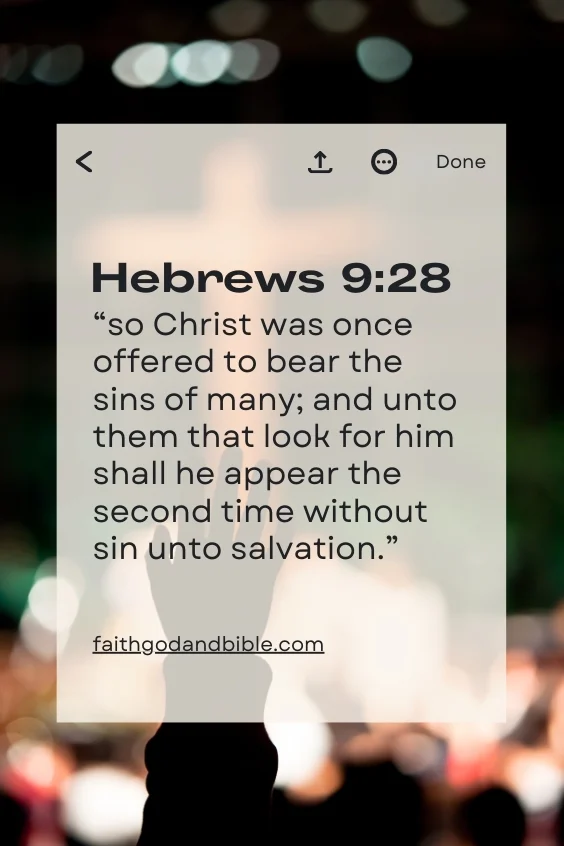
- Remember Jesus was crucified so our sins can be forgiven – The humiliation and shame that Jesus bore on the cross points to how much He loves us. This provides us liberation from the pain of a guilty conscience (Hebrews 9:28 so Christ was once offered to bear the sins of many; and unto them that look for him shall he appear the second time without sin unto salvation.).

How Does God Want Me to Deal with Shame?
- Utilize scriptural words that proclaim “you are loved”– To battle feelings of unworthiness and guilt, stand firm on God’s word, claiming it as a shield against such messages of guilt (Romans 8:1; Titus 3:4-7; 1 Peter 2:24).
- Focus on God’s Atonement over your weaknesses or failures – Our failures do not define who we are; rather, Jesus’ sacrifice systematically changed our destiny to an eternal inheritance in His Kingdom of righteousness and glory (Justification by Faith) (Romans 5:17 For if by one man’s offence death reigned by one; much more they which receive abundance of grace and of the gift of righteousness shall reign in life by one, Jesus Christ.)).


How Does God Want Me to Deal with Shame?
- Let go of false guilt due to past experiences – Satan will try to condemn us about past decisions, reminding us to cling to them out of a sense of obligation or loyalty. But God calls us to move forward through His forgiveness, enabling a life free from those burdens (Colossians 3:13-15).
- Gives thanks for spiritual warfare fought on your behalf – We are encouraged to wage war against all fear-based emotions such as shame (2 Corinthians 10:3-5).
Conclusion
We have explored how shame is a feeling that can produce negative emotions and lead to isolating behavior. Thankfully, God offers hope for those who feel burdened by shame and guilt.
He desires a close relationship with us and encourages us toward repentance instead of feelings of guilt and shame. His grace gives us the power to move beyond our mistakes and seek forgiveness in order to live lives of freedom from such chains.
When feelings of shame arise, we can turn to prayer, Biblical truths, confession, and personal reflection as tools to combat them. Furthermore, studying the Bible reveals passages that provide insight into how God wants his people to view themselves in spite of their struggles with sin. By embracing these principles found in Scripture and being attentive to the Holy Spirit’s guidance provided through faith-filled endeavors, believers are able to remain obedient in thought and action while ignoring comparison and self-condemnation—the primary sources of feelings of heavy guilt and underserved shame.
Leave a comment